The Complete Guide to Hillside Construction in Los Angeles: What Homeowners Need to Know
Building a custom home on a hillside in Los Angeles is a dream for many, offering breathtaking panoramic views, unparalleled privacy, and a unique connection to the natural landscape. These properties represent the pinnacle of luxury living in Southern California. However, the journey from a scenic, sloped lot to a stunning, structurally sound home is paved with unique challenges and complexities. Unlike building on a flat lot, hillside construction demands specialized expertise, precision engineering, and a deep understanding of Los Angeles’s stringent building regulations.
At AGA Construction, Inc., we specialize in turning challenging hillside properties into architectural masterpieces. This guide will walk you through everything you need to know about hillside construction in Los Angeles, from navigating the regulatory landscape to understanding the engineering requirements and design possibilities.
Understanding the Unique Challenges of Hillside Construction
Building on a slope introduces a host of challenges that require careful planning and execution. The primary concerns in Los Angeles hillside construction include:
Slope Stability and Soil Conditions: The geology of Los Angeles hills can be unpredictable. A thorough geotechnical investigation is the first and most critical step to assess soil composition, stability, and the potential for landslides or soil erosion. This report, prepared by a licensed geotechnical engineer, will dictate the foundation design and is a mandatory requirement for obtaining building permits [1].
- Navigating Complex Regulations: Los Angeles has some of the strictest hillside building regulations in the country. The Baseline Hillside Ordinance (BHO) and Hillside Construction Regulation (HCR) Zone impose limitations on grading, floor area ratio (FAR), building height, retaining walls, and even the routes that construction vehicles can take [2]. Failing to comply with these ordinances can lead to significant delays and costly redesigns.
- Access and Logistics: Simply getting materials and equipment to a hillside site can be a major logistical hurdle. Narrow, winding roads and steep driveways require careful planning for everything from concrete delivery to crane placement. Fire department access requirements also add another layer of complexity to site and driveway design.
- Drainage and Water Management: Proper drainage is paramount for the long-term stability of a hillside home. An effective drainage system, including French drains, swales, and properly designed retaining walls, is essential to manage water runoff and prevent soil erosion and hydrostatic pressure against the foundation.
The Hillside Construction Process: From Concept to Completion
A successful hillside build requires a thorough, phased approach. Here’s what you can expect when you partner with an experienced hillside contractor like AGA Construction:
1. Site Evaluation and Feasibility
Before any design work begins, our team conducts a comprehensive site evaluation. This includes a preliminary analysis of the property’s slope, accessibility, and zoning constraints. We work with you to understand your vision and determine the feasibility of your project within the context of the site’s unique characteristics.
2. Geotechnical and Engineering Analysis
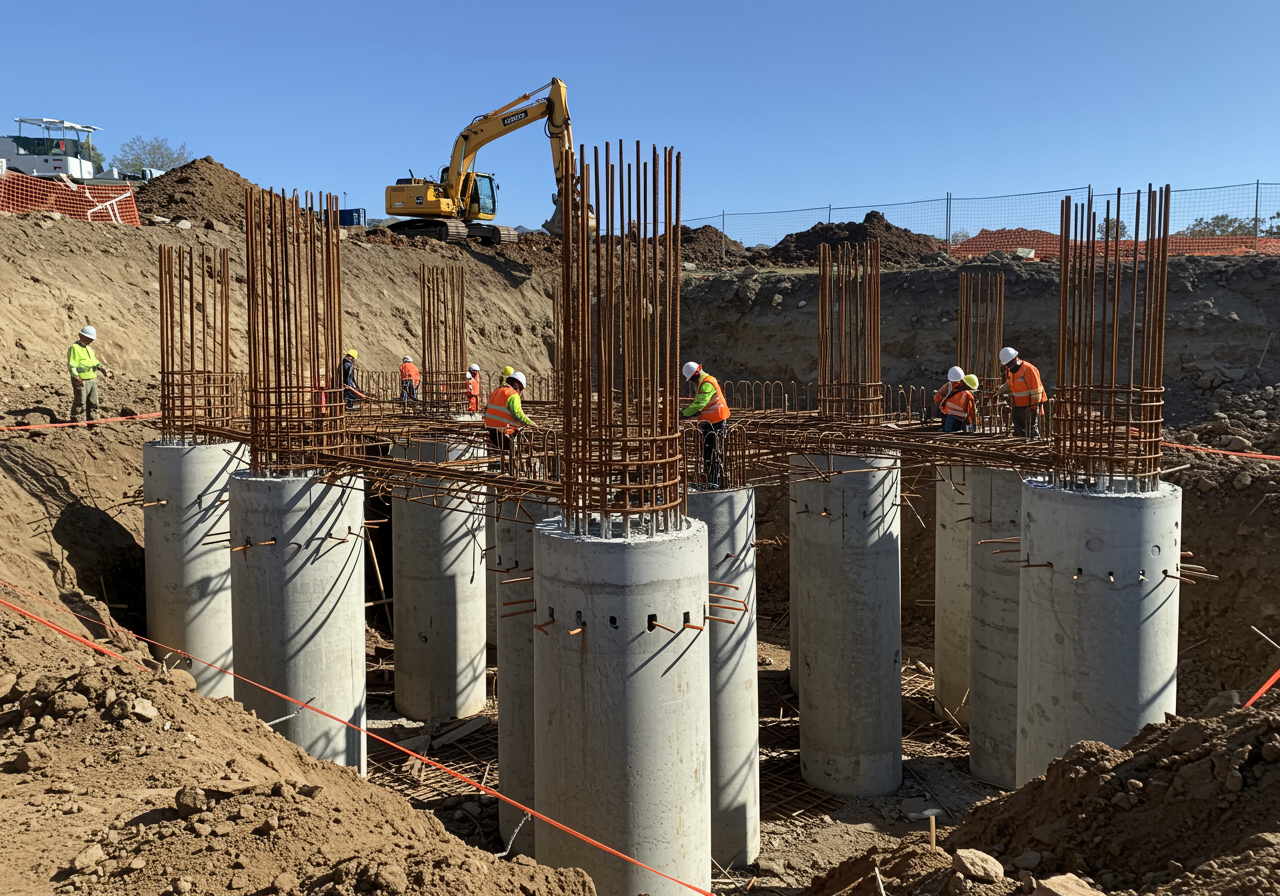
As mentioned, a detailed geotechnical report is the foundation of any hillside project. This scientific analysis provides the data our structural engineers need to design a foundation system that is safe, stable, and tailored to your specific property. Common foundation types for hillside homes include:
- Caissons: Deep, reinforced concrete pillars drilled into the bedrock to provide a stable base.
- Piles: Similar to caissons, these are driven or drilled deep into the ground to support the structure.
- Stepped Foundations: Concrete foundations that are “stepped” down the slope, creating multiple levels.
- Cantilevered Foundations: Portions of the home extend out from the hillside, seemingly floating over the landscape.
3. Architectural Design and Permitting
Designing a hillside home is a creative and technical endeavor. Our architects specialize in slope-adaptive designs that maximize views, natural light, and indoor-outdoor living while minimizing the impact on the natural terrain. We create designs that work with the slope, not against it.
Once the design is finalized, we navigate the complex permitting process with the Los Angeles Department of Building and Safety (LADBS). Our deep familiarity with the BHO and HCR regulations allows us to streamline this process, ensuring all documentation is accurate and complete to avoid unnecessary delays.
4. Construction and Project Management
With permits in hand, our construction team takes over. Our project managers are experts in the logistics of hillside building, coordinating every aspect of the project from excavation and foundation work to framing and finishing. We maintain open communication with you throughout the process, providing regular updates and ensuring the project stays on schedule and within budget.
Design Considerations for Your Hillside Home
Building on a hillside opens up a world of design possibilities. Here are some of the trends we’re seeing in Los Angeles hillside homes:
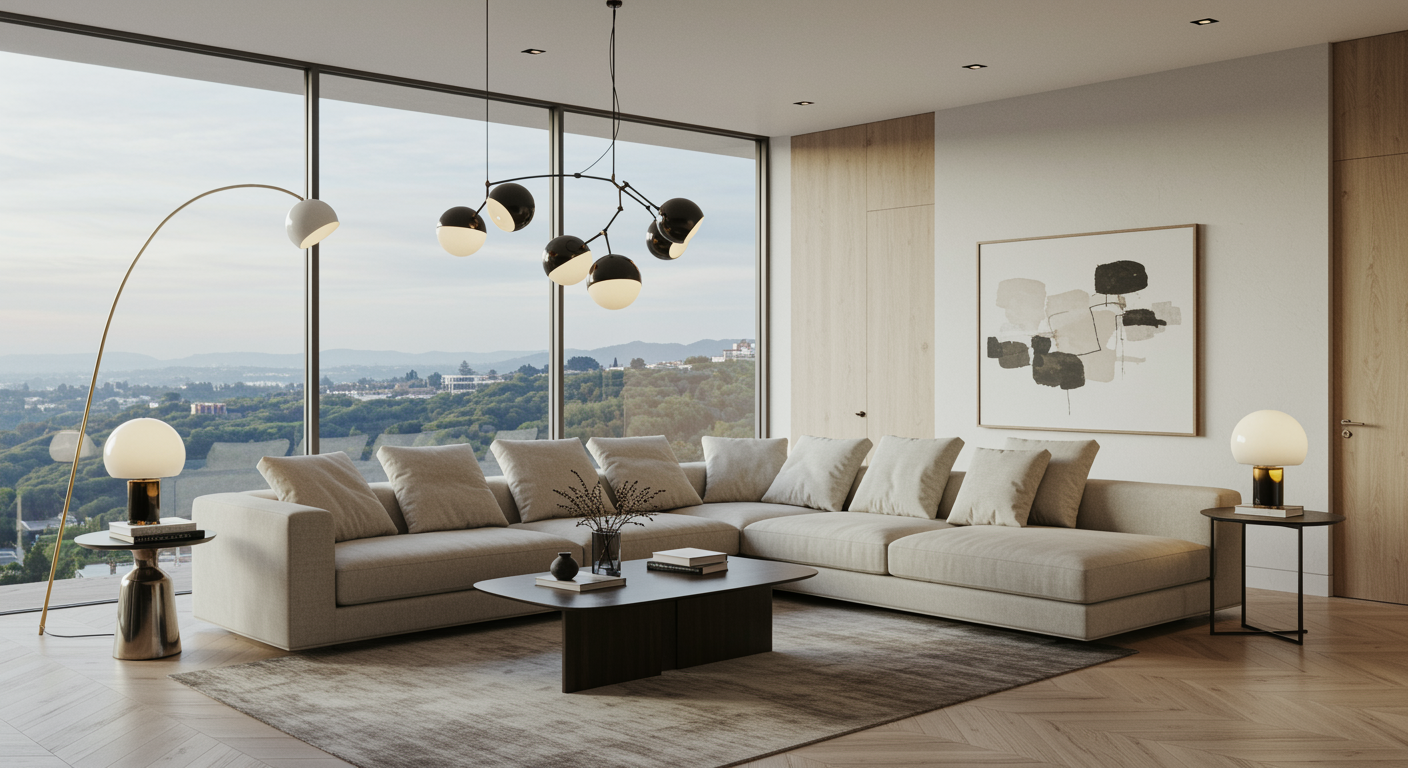
- Walls of Glass: Expansive windows and sliding glass doors are a must to capture those stunning city and canyon views.
- Multi-Level Living: Terraced designs create distinct living zones and provide opportunities for private balconies and patios on different levels.
- Indoor-Outdoor Flow: Seamless changeovers between indoor and outdoor spaces are a hallmark of California living. Hillside homes often feature decks, infinity pools, and outdoor kitchens that feel like a natural extension of the home.
- Sustainable Design: We incorporate energy-efficient features and sustainable materials to create homes that are as environmentally friendly as they are beautiful.
Cost and Timeline Expectations
It’s important to be realistic about the cost and timeline of a hillside construction project. Due to the complexities involved, building on a slope is significantly more expensive and time-consuming than building on a flat lot. Factors that influence the cost include:
- The steepness of the slope
- The results of the geotechnical report
- The complexity of the foundation and retaining walls
- The level of finishes and customization
While the investment is greater, the return - both in terms of property value and quality of life - is unparalleled.
Why Choose an Experienced Hillside Contractor?
When it comes to building on a hillside in Los Angeles, experience is not just a preference - it’s a necessity. An experienced hillside contractor like AGA Construction, Inc. brings:
- Proven Expertise: We have a track record of successfully completing complex hillside projects throughout Los Angeles.
- In-Depth Knowledge: We understand the nuances of local building codes and have strong relationships with city officials.
- Integrated Team: Our team of architects, engineers, and builders works together seamlessly to provide a cohesive and efficient process.
- Problem-Solving Skills: We anticipate challenges and develop creative solutions to keep your project moving forward.
Ready to Build Your Dream Hillside Home?
Building a home on a hillside in Los Angeles is a rewarding journey that results in a truly extraordinary living experience. If you’re ready to turn your vision into a reality, contact the experts at AGA Construction, Inc. today.
Get a Free Hillside Construction Consultation or call us at 877-262-6555 to speak with one of our hillside construction specialists.
References
[1] Marshall Geo. (2025, July 19). Foundation Design for Hillside Construction: Challenges & Solutions. Retrieved from https://marshallgeo.com/engineering-geology/foundation-design-for-hillside-construction-challenges-and-solutions/
[2] Los Angeles City Planning. (n.d.). Hillside Construction Regulations An LAMC Supplemental Use District. Retrieved from https://planning.lacity.gov/odocument/fb5ffe15-3f54-4ee2-9011-2b8c3473d605/HCR_-_Fact_Sheet_and_FAQs-_Expanded.pdf